Gentler resurfacing
LaseMD
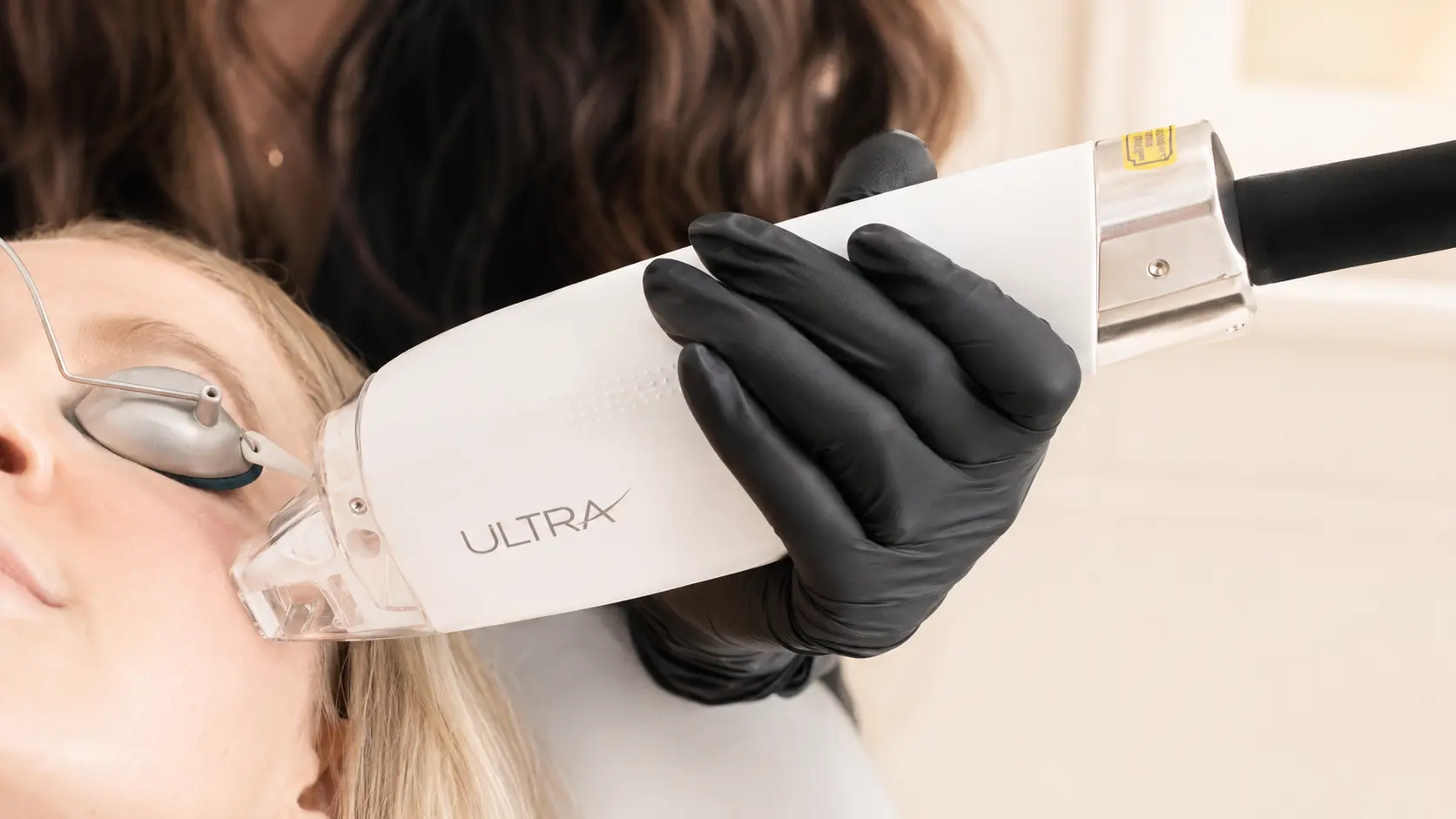
A 1927 nm non-ablative thulium laser used for superficial pigment and skin-renewal plans, with optional VA, VC, TA or RS ampoules selected for individual goals.
Home / Treatment Library / Laser Rejuvenation
A device plan matched to your skin. A clear, evidence-aware guide to candidacy, treatment, recovery, limitations and next steps.
Your skin type, treatment goals and desired downtime guide the technology, settings and treatment plan selected for you.
LaseMD and the Sciton JOULE/Profile platform solve different problems. This guide helps you understand the likely pathway; an in-person skin assessment determines the exact modality and settings.
A 1927 nm non-ablative thulium laser used for superficial pigment and skin-renewal plans, with optional VA, VC, TA or RS ampoules selected for individual goals.
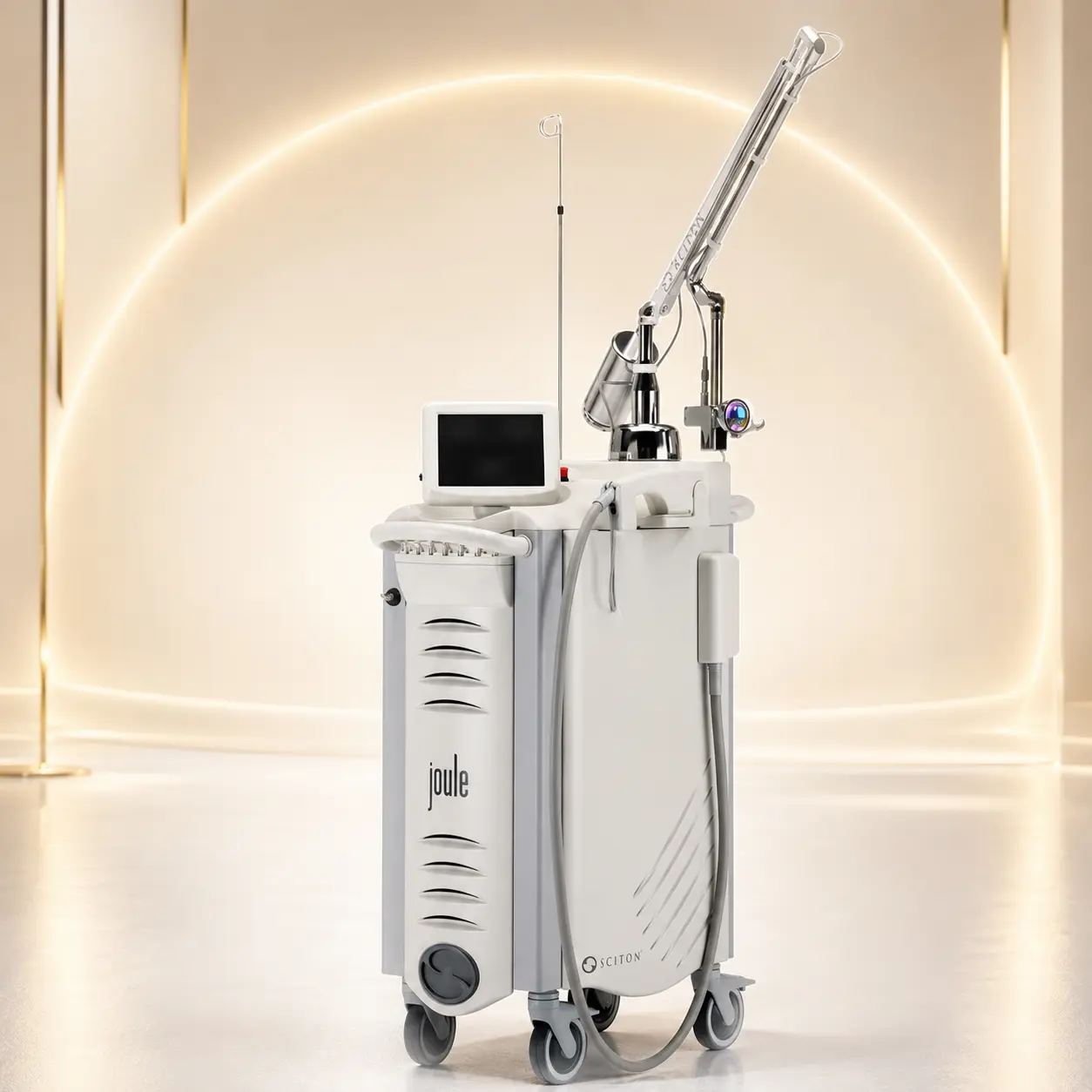
A multi-application platform that can support BBL for visible sun damage and redness plus fractional or full-field erbium resurfacing for texture, scars and deeper renewal—when the corresponding module is installed and selected.
Often LaseMD or filter-selected BBL, depending on depth, skin type and diagnosis.
Usually a Sciton light or vascular pathway—not LaseMD—after identifying the vascular target.
LaseMD for gentler renewal; ProFractional or deeper erbium resurfacing when more remodeling and downtime are acceptable.
Sciton fractional erbium resurfacing may be considered. Scar type, color and depth determine the plan.
Fractional resurfacing may soften texture or contrast. Complete removal cannot be promised and a series is common.
Collagen remodeling may improve the appearance of mild laxity, but laser is not equivalent to surgical lifting.
| Decision point | LaseMD | Sciton BBL | Sciton erbium resurfacing |
|---|---|---|---|
| Best-known role | Superficial pigment and gentle skin renewal | Sun damage, brown/red discoloration and selected vessels | Texture, wrinkles, scars and deeper resurfacing |
| Technology | 1927 nm non-ablative thulium laser | Filter-selected broadband light | 2940 nm Er:YAG; fractional or full-field options |
| Typical recovery | Several days of redness/dry, sandpaper-like texture | Often little downtime; pigment may darken temporarily | Ranges from several days to weeks with treatment depth |
| Series | Often 2–4 sessions | Often a series; varies by target | Often 1–4, depending on depth and goal |
| Where performed | In office | In office | In office |
Laser rejuvenation is an umbrella term for energy-based treatments selected to improve pigment, texture or visible photoaging. The exact device, wavelength, depth and settings matter; a consultation should name the technology and the concern it is intended to address.
This page cannot tell you whether you are a candidate, and any page that claims to is selling something. Candidacy for energy-based treatment depends on the specific device and wavelength, your skin type, recent sun exposure, medications, healing history, and what the device is actually cleared to treat. Darker skin can be treated well with some technologies and injured by others. What a good candidate arrives with is the right question: which device, at what wavelength, for which diagnosis.
Treatment may be deferred for recent sun exposure or a fresh tan, active infection in the treatment area, certain photosensitising medications, pregnancy, or a healing history that suggests poor wound outcomes. One warning sign is worth knowing: if a clinic will not name the device, the wavelength and the concern it is being used for, that is a reason to keep asking rather than to book.
These are practical planning ranges, not promises. Your consultation determines the exact plan.
A consultation should identify the device and wavelength being proposed and what it is cleared to treat. “Laser” is a category, not a treatment, and broadband light is not a laser at all.
Pigment, redness, texture and scarring are different problems and respond to different energy. The provider should say which of them they are treating and what they are not treating.
Most skin goals are a course rather than a single session, and downtime varies enormously by device — from almost none to weeks. You should know the number of sessions and the recovery before the first one.
Temporary redness, swelling, dryness or pigment darkening can occur. Burns, blistering, prolonged pigment change, infection and scarring are uncommon but important risks. Results vary with device, settings, skin type, concern and aftercare; treatment does not stop future aging or sun damage. The honest limitation of this page is that your risk profile depends on which device is used on you. A treatment with almost no downtime and a treatment that removes the skin surface both sit under the word “laser”, and they do not carry the same risks. Ask for the specific device’s risks in your consultation, and be cautious of anyone who answers in generalities.
Different pigments and scars do not respond alike. Provider experience reduces the chance of treating the wrong diagnosis, using excessive energy or overlooking skin-cancer warning signs.
Laser consultation and treatment are in-office only.
Pricing: Consultation required. Price depends on device, area, intensity and series.
A close-up of cheek texture before and after laser resurfacing, photographed at one of our locations and published with written permission. The note with it says where lighting changes what you see.
Medical-content evidence review: July 30, 2026. Content is written for patient education and structured from current primary regulatory, labeling and professional sources. It has not been individualized to your medical history. Product labeling and guidance can change; a licensed Identity Aesthetics provider confirms current suitability, informed consent and treatment details before care.
Bring your goals, questions, medication list and prior treatment history. We will help you decide whether Laser Rejuvenation—or an alternative—makes sense.